When a tooth is too damaged to save, extraction becomes necessary to protect your overall oral health. At Dental Sedation Ottawa, we specialize in making tooth extractions as comfortable and stress-free as possible using comprehensive sedation options. Whether you need a simple extraction or complex surgical removal, you can receive the care you need without fear, anxiety, or pain.
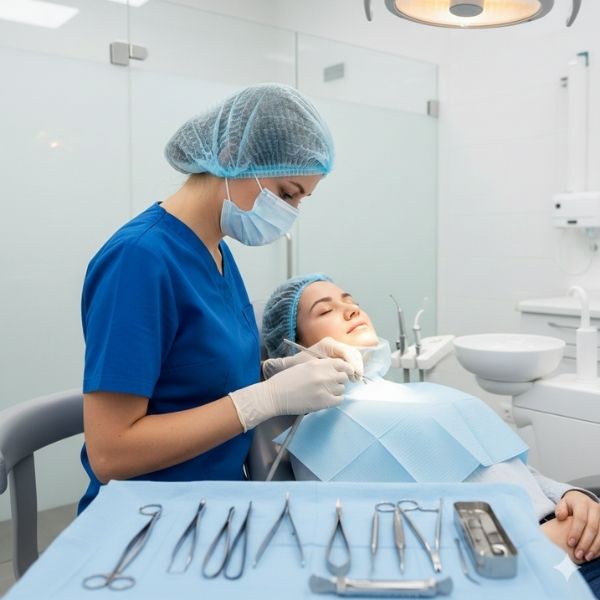
A tooth extraction is the removal of a tooth from its socket in the jawbone. While saving your natural teeth is always our first priority, sometimes extraction becomes the best or only option to protect your overall oral health. Modern extraction techniques and sedation dentistry have transformed this once-dreaded procedure into a comfortable, straightforward experience.
There are two main types of extractions. Simple extractions involve teeth that are visible above the gumline and can be removed fairly easily. Think of it like gently loosening and lifting the tooth out of its socket. Surgical extractions are more complex—they're needed for teeth that are broken below the gumline, haven't erupted yet, or have curved roots that make removal trickier. These require making a small incision in the gum tissue and sometimes removing bone or sectioning the tooth into pieces for safer removal.
The word "extraction" might sound scary, but the reality is that with proper numbing and sedation, you shouldn't feel pain during the procedure. Many patients are surprised how quick and comfortable modern tooth removal can be, especially when they've been living with severe tooth pain beforehand. The relief from having an infected or painful tooth removed often far outweighs any temporary discomfort during healing.
Ready to learn more? Schedule a consultation today.
We understand that many people delay necessary tooth extractions because of fear or anxiety. Perhaps you've heard painful stories from others, or you simply feel nervous about dental procedures in general. That's exactly why we've built our entire practice around sedation dentistry—ensuring every patient can receive comfortable, anxiety-free dental care.
Mild relaxation perfect for patients with minimal anxiety facing straightforward extractions. You breathe the gas through a comfortable nose mask while staying fully awake and aware. Effects disappear within minutes after we remove the mask.
Learn more about nitrous oxide →Medication taken about an hour before your appointment creates significant drowsiness and deep relaxation. You'll be awake but calm throughout the extraction, and most patients remember very little afterward. Great for moderate anxiety or longer procedures.
Explore oral sedation →Deeper sedation administered directly into your bloodstream provides profound relaxation while you remain technically conscious. You'll have little to no memory of the procedure and time will seem to pass instantly. Ideal for high anxiety, surgical extractions, or multiple teeth being removed.
Discover IV sedation →Complete sleep with zero awareness, administered by board-certified medical anesthesiologists—Dr. Hesham Talab, MD MSc PhD FRCPC FASE and Dr. Asad Mirghassemi, MD MSc FRCPC. This is hospital-grade anesthesia with full monitoring, delivered right in our clinic. Best for severe dental anxiety, complex surgical cases, special needs patients, or anyone who prefers to be completely asleep.
Learn about general anesthesia →With appropriate sedation, especially IV sedation or general anesthesia, we can safely remove multiple teeth during a single appointment. If you need several extractions, combining them means one surgery, one recovery period, and less time away from work or daily activities. Many patients prefer this efficient approach.
Questions about your options? We're here to help.
We always try to save your natural teeth first through fillings, crowns, root canals, or other restorative treatments. However, sometimes extraction becomes the only sensible option to protect your overall health and prevent problems from spreading to other teeth.
When a cavity has destroyed too much of the tooth's structure for a filling or crown to work reliably. At a certain point, extraction and replacement becomes more predictable and cost-effective.
Periodontal disease can destroy the bone and ligaments supporting your teeth. When a tooth becomes loose due to severe bone loss, extraction prevents the infection from spreading.
Teeth cracked below the gumline or fractured into the root often cannot be repaired. Fractures extending into the root create pathways for bacteria.
Sometimes root canal therapy doesn't resolve infection, especially in teeth with complex root anatomy. If re-treatment isn't feasible, extraction eliminates the source of infection.
When infection spreads beyond the tooth into surrounding bone or soft tissue and cannot be controlled with antibiotics and root canal therapy.
Sometimes teeth need removal to create space for proper alignment, especially in cases of severe overcrowding.
Teeth trapped beneath the gums or only partially visible create pockets where bacteria accumulate, leading to repeated infections.
If you're planning to get full or partial dentures, any remaining damaged, loose, or infected teeth typically need removal first.
When Alternatives Work Better: If your tooth can be saved with root canal therapy, a crown, or other restoration, we'll recommend that first. We suggest extraction only when it's truly the best option for your long-term oral health.
Ready to take the next step? Our team is here for you.
Before any tooth extraction, we conduct a thorough examination including X-rays to see the entire tooth structure including roots, their position, and surrounding bone. We discuss your medical history, current medications, and any concerns you have.
Arrive with your designated driver if you're having anything beyond nitrous oxide. Our team welcomes you warmly and gets you settled comfortably. We begin by administering your chosen sedation option. Once you're relaxed or asleep, we thoroughly numb the area around the tooth so you feel absolutely no pain.
We use specialized instruments called elevators to gently rock the tooth and break down the ligaments holding it in place. Once loosened sufficiently, we lift the tooth from the socket using forceps. The process is often quicker than patients expect. We examine the socket to ensure all root fragments have been removed, then place gauze for you to bite on.
We make a small incision in the gum tissue to access the tooth fully. If bone is covering part of the tooth, we carefully remove just enough to work safely. For large or awkwardly positioned teeth, we may section the tooth into smaller pieces for easier, gentler removal. After removing all pieces and root fragments, we clean the socket, place bone graft material if needed, and close with dissolvable stitches.
Time Required: Simple extractions typically take 10-20 minutes. Surgical extractions take 30-60 minutes depending on complexity.
Ready to get started?
Some bleeding, discomfort, and mild swelling are normal. Keep gauze pressed firmly over the extraction site for 30-45 minutes to control bleeding. Apply ice packs to your face (20 minutes on, 20 minutes off) to minimize swelling.
Eat only soft, cool foods: yogurt, smoothies (no straws—suction can dislodge blood clots), mashed potatoes, eggs. Drink plenty of water. Don't smoke, vape, or drink alcohol for at least 72 hours. Take prescribed pain medication as directed.
Swelling and discomfort gradually improve. Gently rinse with warm salt water after meals (starting day 2). Most people return to normal activities within 3-5 days.
Long-Term Care: The extraction site fills in with new bone and gum tissue over several months. If you're replacing the tooth with an implant or bridge, we'll discuss timing during your follow-up visit.
You experience severe pain not controlled by medication, heavy bleeding that doesn't stop, fever above 101°F, or signs of infection like pus or increasing swelling after day 3.
A titanium post surgically placed in the jawbone serves as an artificial root, then a crown is attached. Implants look, feel, and function like natural teeth and can last a lifetime with proper care.
Learn about dental implants →A fixed restoration where crowns on teeth adjacent to the gap support an artificial tooth in between. Bridges are permanently cemented in place. Good option when implants aren't suitable.
Removable appliances that replace multiple missing teeth. More affordable than implants but require removal for cleaning and don't feel quite as natural.
No Replacement: In some cases, particularly for certain back teeth, replacement may not be necessary. We'll discuss whether this is appropriate for your situation and help you understand the pros, cons, and costs of each option.
Per tooth
Per tooth
Additional fees may apply
Separate, by type
Most dental insurance plans cover tooth extractions at 50-80% when medically necessary. We provide direct billing to major insurers and accept the Canadian Dental Care Plan (CDCP) for eligible patients.
When you consider that extracting a severely damaged tooth prevents infection, eliminates pain, and protects surrounding teeth from damage, it's an important investment in your overall health and quality of life.
Our patients consistently rate us 5 stars for gentle, anxiety-free care. Read verified patient experiences on Google.
View All Reviews on GoogleDentist Referrals Welcome: We collaborate with referring dentists throughout Ottawa and Eastern Ontario for complex extraction cases requiring sedation expertise.
Learn About Our Referral ProcessDon't suffer with a painful or damaged tooth. Our sedation options ensure you'll experience no pain and likely remember nothing about your extraction. Schedule your consultation today.
