Wisdom teeth problems affect nearly everyone at some point — from pain and swelling to infection and crowding. At Dental Sedation Ottawa, we specialize in making wisdom teeth removal comfortable and stress-free using comprehensive sedation options. Whether you need one wisdom tooth removed or all four, you can receive the care you need without fear, anxiety, or pain.
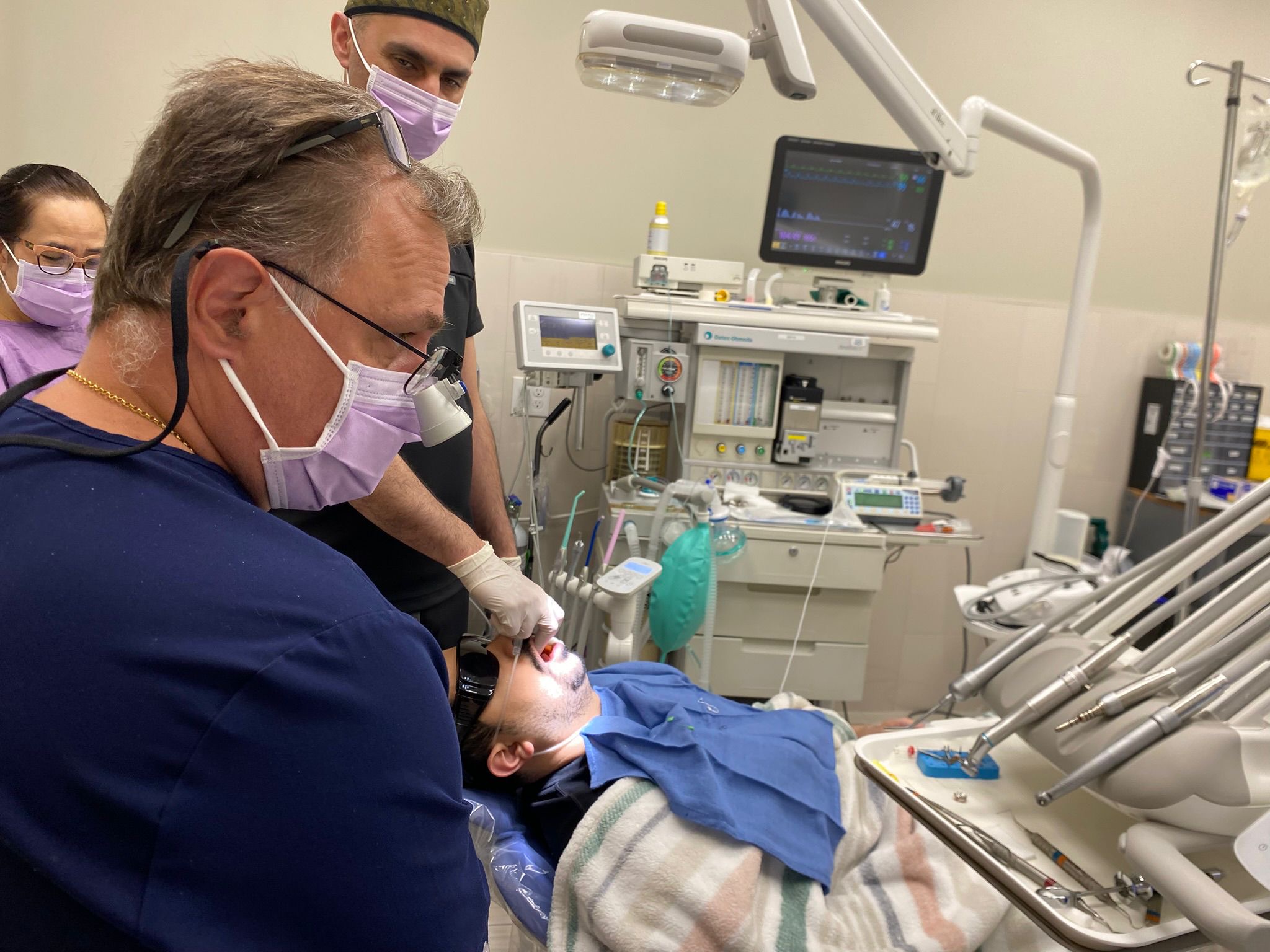
Wisdom teeth, also called third molars, are the last teeth to develop in your mouth. They typically try to emerge between ages 17 and 25 — though some people's wisdom teeth never appear at all, while others experience problems well into their 30s or 40s. Most people have four wisdom teeth, one in each corner of the mouth behind the second molars.
The problem is simple: modern human jaws are often too small to accommodate these extra teeth. When there isn't enough room for them to emerge properly, they become "impacted" — trapped beneath the gums or only partially visible.
Impacted wisdom teeth create all sorts of problems. They can push against neighboring teeth causing crowding and pain. The partial opening where they're trying to emerge becomes a trap for food particles and bacteria, leading to painful infections called pericoronitis. Fluid-filled cysts can develop around impacted teeth, potentially damaging your jawbone. Even wisdom teeth that fully emerge can be so far back that you can't clean them properly, making them highly vulnerable to decay.
That's why dentists often recommend removing wisdom teeth before serious problems develop — ideally in your late teens or early twenties when the tooth roots aren't fully formed yet and healing happens faster.
We know that anxiety about wisdom teeth removal is incredibly common. At our Ottawa dental clinic, we've designed our entire practice around making sure no patient experiences fear or unnecessary discomfort during wisdom teeth surgery.
Not everyone needs their wisdom teeth removed. However, most people experience at least some wisdom tooth issues that make removal the smartest choice.
We conduct a comprehensive examination including panoramic X-rays or 3D imaging to see exactly where your wisdom teeth are positioned, how the roots are formed, and their relationship to nerves and sinuses. We discuss your medical history, anxiety level, and sedation preferences to create a personalized treatment plan.
Arrive with your designated driver (required for anything beyond nitrous oxide). Our team welcomes you into our modern surgical suite. We administer your chosen sedation option and completely numb the surgical areas so you feel absolutely no pain.
If the tooth has fully emerged, we can often extract it by gently loosening it and removing it intact. For impacted or partially erupted teeth, we make a small incision in your gum tissue to access the tooth. Sometimes we need to remove a small amount of bone covering the tooth, or section it into smaller pieces for easier, gentler removal.
We work systematically through all extraction sites. After removing each tooth, we thoroughly clean the socket, smooth any sharp bone edges, and place dissolvable stitches if needed. Our board-certified anesthesiologists ensure hospital-grade safety from start to finish.
You'll rest in our recovery area while sedation effects begin to wear off. We ensure you're stable and comfortable before your driver takes you home. You'll receive detailed written post-operative instructions and prescriptions for pain medication and antibiotics if needed.
Rest is essential — plan to take it easy. Bite firmly on gauze pads for 30-60 minutes to stop bleeding. Apply ice packs to your cheeks (20 minutes on, 20 minutes off) to control swelling. Eat only soft, cool foods: yogurt, smoothies, pudding, mashed potatoes. Drink plenty of water but avoid using straws — the suction can dislodge blood clots and cause painful dry socket. Don't smoke, vape, or drink alcohol for at least 72 hours.
Swelling and discomfort gradually improve each day, though day 2-3 is often the peak. Apply warm compresses after the first 48 hours to ease jaw stiffness. Continue eating soft foods, gradually adding more texture. Gently rinse with warm salt water after meals (starting day 2). Most people return to work or school within 3-5 days.
The extraction sites fill in with new tissue. Any remaining discomfort should be minimal. You can typically resume normal eating, exercise, and activities by week 2. Complete bone healing takes 3-6 months, but you won't notice this happening. Call us immediately at (613) 482-0501 if you experience severe pain not controlled by medication, heavy bleeding, fever, difficulty breathing or swallowing, or a foul taste suggesting infection or dry socket.
Transparent pricing — significantly less than many oral surgery specialists in Ottawa.
Most dental insurance plans cover wisdom teeth removal at 50-80% when medically necessary.
We provide direct billing to major insurers and accept the Canadian Dental Care Plan (CDCP) for eligible patients.
Our team verifies your coverage and provides detailed written estimates before your procedure.
Our patients consistently rate us 5 stars for gentle, anxiety-free care. Read verified patient experiences on Google.
View All Reviews on Google