If you experience jaw pain, clicking or popping sounds when you open your mouth, difficulty chewing, or chronic headaches, you may be suffering from a temporomandibular joint (TMJ) disorder. These conditions—collectively known as temporomandibular disorders (TMD)—affect the jaw joints and surrounding muscles, causing pain and dysfunction that can significantly impact your quality of life.
At Dental Sedation Ottawa, we provide comprehensive TMJ/TMD evaluation and treatment to help you find relief from jaw pain and related symptoms. Our approach focuses on identifying the underlying cause of your discomfort and developing a personalized treatment plan that addresses your specific needs. For patients with dental anxiety, our sedation options ensure comfortable evaluation and treatment.
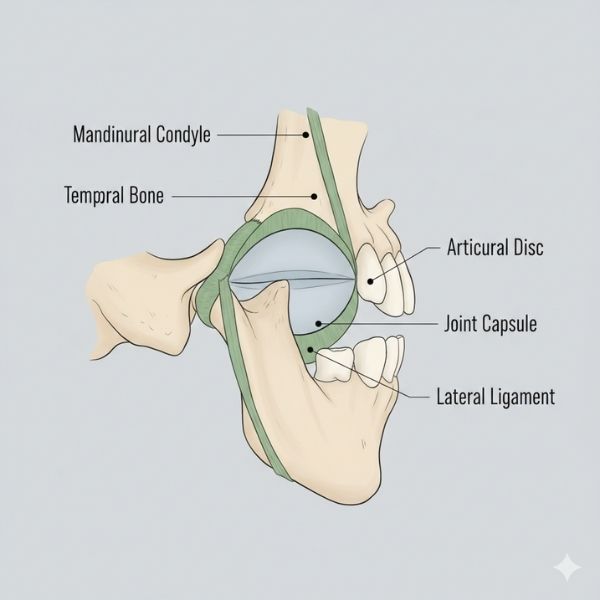
The temporomandibular joint (TMJ) is the hinge connecting your jawbone to your skull. You have one on each side of your face, just in front of your ears. These joints, along with the surrounding muscles and ligaments, allow you to open and close your mouth, chew, speak, and yawn. When problems develop in this complex system, the result is a temporomandibular disorder (TMD).
TMD is actually an umbrella term covering many conditions affecting the jaw joints and muscles. Some people experience problems primarily in the joint itself—arthritis, disc displacement, or structural abnormalities. Others have muscle-related issues—tension, spasms, or trigger points in the muscles that control jaw movement. Many patients have a combination of joint and muscle problems.
The good news is that most TMJ disorders are temporary and respond well to conservative treatment. Surgery is rarely necessary. With proper diagnosis and appropriate therapy, the majority of patients experience significant improvement in their symptoms.
TMJ disorders can cause a wide range of symptoms. You may experience one or several of the following:
If you experience any of these symptoms regularly, TMJ evaluation can determine whether a temporomandibular disorder is the cause and what treatment options are available.
Experiencing jaw pain? Schedule an evaluation today.
TMJ disorders can develop from various causes, and often multiple factors contribute to the condition:
Chronic teeth grinding—whether during sleep or while awake—puts enormous stress on the TMJ and surrounding muscles. The repetitive strain can damage the joint, wear down tooth surfaces, and cause muscle fatigue and spasms. Many people don't realize they grind their teeth, especially during sleep.
When your upper and lower teeth don't fit together properly (malocclusion), your jaw muscles must work harder to bring your teeth together for chewing. This extra strain can lead to muscle fatigue, joint stress, and TMD symptoms over time.
Osteoarthritis or rheumatoid arthritis can affect the TMJ just like other joints in the body, causing pain, inflammation, and progressive joint damage.
A blow to the jaw, whiplash injury, or other trauma can damage the TMJ structures, leading to acute or chronic dysfunction.
Emotional stress often manifests physically as jaw clenching, teeth grinding, or muscle tension in the face, neck, and shoulders—all of which can contribute to or worsen TMD.
Some people are born with or develop structural abnormalities in the TMJ, including disc displacement, where the cushioning disc between the jawbone and skull slips out of position.
Often, the exact cause of TMJ disorder is difficult to pinpoint, and multiple factors may contribute. Fortunately, effective treatment is possible even when the specific cause isn't clear.
Treatment for TMJ disorders depends on the underlying cause, severity of symptoms, and individual patient factors. We typically begin with conservative approaches and progress to more intensive treatments only if needed.
For many patients, a custom-fitted oral appliance is the cornerstone of TMJ treatment. These devices—worn over the teeth, typically at night—reduce clenching and grinding forces, reposition the jaw in a more relaxed position, and protect teeth from wear.
Unlike over-the-counter mouth guards, custom appliances are precisely fitted to your mouth for maximum comfort and effectiveness. We offer various types depending on your specific needs: stabilization splints that hold the jaw in a neutral position, repositioning splints that move the jaw forward, and night guards that primarily protect against grinding damage.
Learn more about night guards →Targeted exercises and physical therapy techniques can strengthen jaw muscles, improve flexibility, reduce tension, and restore normal jaw function. We may recommend stretching exercises to improve jaw mobility, strengthening exercises for jaw muscles, relaxation techniques to reduce muscle tension, posture correction to reduce strain on the TMJ, heat or cold therapy for pain relief, and massage techniques for trigger points. Many patients find significant relief through consistent practice of prescribed exercises.
Simple changes in daily habits can significantly reduce TMJ symptoms: eating soft foods during flare-ups, avoiding extreme jaw movements (wide yawning, gum chewing), applying heat or ice packs, practicing stress reduction techniques, maintaining good posture, avoiding resting your chin on your hand, and keeping teeth slightly apart when at rest.
When appropriate, medications can help manage TMJ symptoms: over-the-counter pain relievers (ibuprofen, acetaminophen), muscle relaxants for severe muscle tension, anti-inflammatory medications, low-dose tricyclic antidepressants for chronic pain and bruxism, and anti-anxiety medications if stress is a major factor.
If bite problems contribute to your TMJ disorder, dental treatments may help: bite adjustment (equilibration) to improve how teeth fit together, replacement of missing teeth that affect bite alignment, orthodontic treatment for significant malocclusion, restoration of worn teeth to proper height, and full mouth rehabilitation for complex cases. For patients needing extensive dental work, our sedation options make treatment comfortable and efficient.
Ready to discuss your treatment options?
We begin by discussing your symptoms in detail—when they started, what makes them better or worse, how they affect your daily life. We'll ask about your medical history, stress levels, sleep habits, and any previous treatments you've tried.
We examine your jaw joints and muscles, checking for tenderness, clicking, popping, or limited range of motion. We observe how your jaw moves and look for signs of clenching or grinding. We also evaluate your bite alignment and check for tooth wear patterns.
When needed, we use digital X-rays or refer for advanced imaging (CT scan or MRI) to visualize the TMJ structures and identify any joint abnormalities, arthritis, or disc problems.
Based on our findings, we explain the likely cause of your symptoms and discuss treatment options. We answer all your questions and work together to develop a treatment plan that fits your needs, preferences, and budget.
We begin treatment and schedule follow-up appointments to monitor your progress. TMJ therapy often requires adjustment over time as we fine-tune your treatment for optimal results.
For patients with dental anxiety, even a TMJ evaluation can feel stressful. And when TMJ disorders require dental treatment—crowns, bite adjustments, or full mouth rehabilitation—anxiety can prevent patients from getting the care they need.
At Dental Sedation Ottawa, we offer comprehensive sedation options to ensure your comfort during every aspect of TMJ treatment:
Mild relaxation during TMJ evaluation or appliance fitting. You stay fully aware, and effects wear off within minutes. Perfect for patients with mild anxiety.
Learn more →Medication creates drowsiness and significant anxiety reduction during longer appointments. Great for patients who need extensive evaluation or multiple procedures.
Learn more →Deep relaxation for patients with high anxiety or when TMJ treatment involves extensive dental procedures. Little to no memory of the appointment.
Learn more →Complete sleep for patients requiring complex dental treatment to address TMJ-related bite problems. Administered by board-certified medical anesthesiologists Dr. Hesham Talab, MD MSc PhD FRCPC FASE and Dr. Asad Mirghassemi, MD MSc FRCPC.
Learn more →Common signs include jaw pain or tenderness, clicking or popping sounds when opening your mouth, difficulty opening wide, headaches, and ear pain. If you experience these symptoms regularly, a professional evaluation can determine whether TMJ disorder is the cause.
Some mild cases improve with simple self-care measures like eating soft foods, avoiding extreme jaw movements, and managing stress. However, many TMJ disorders require professional treatment to resolve. Without treatment, symptoms often persist or worsen over time.
Treatment duration varies widely depending on the cause and severity. Some patients experience significant improvement within weeks of starting treatment. Others with more complex conditions may need several months of therapy. We'll give you realistic expectations based on your specific situation.
Custom appliances made from precise impressions of your teeth are far more comfortable than over-the-counter options. Most patients adapt within a few nights. We make adjustments as needed to ensure optimal comfort and effectiveness.
Yes, TMJ disorders are a common cause of chronic headaches, including tension headaches and migraines. The jaw muscles connect to head and neck muscles, so TMJ problems can trigger or worsen headaches. Many patients find their headaches improve significantly with TMJ treatment.
Coverage varies by plan. Oral appliances for TMJ may be covered under dental or medical insurance. We review your coverage and provide cost estimates before beginning treatment. We offer direct billing to major insurers and accept the Canadian Dental Care Plan (CDCP).
Dentist Referrals Welcome: We collaborate with referring dentists throughout Ottawa and Eastern Ontario for TMJ cases requiring sedation or complex treatment.
Learn About Our Referral ProcessDon't suffer with TMJ pain any longer. Our comprehensive evaluation identifies the cause of your symptoms, and personalized treatment helps you find lasting relief. Take the first step toward a pain-free life today.
