When sleep apnea or chronic snoring disrupts your rest and health, custom oral appliances offer a comfortable alternative to CPAP machines. At Dental Sedation Ottawa, we provide expert fitting and ongoing care for sleep apnea appliances—helping you achieve better sleep, improved health, and restored energy.
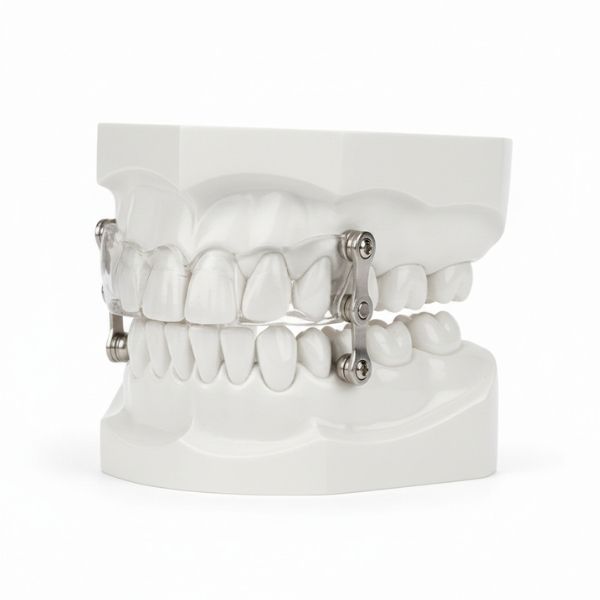
Sleep apnea appliances, also called oral appliance therapy or mandibular advancement devices, are custom-fitted mouthpieces worn during sleep. Think of them as nightguards that do double duty—they position your lower jaw slightly forward, which opens your airway and prevents the breathing interruptions that characterize sleep apnea.
Unlike CPAP machines that use pressurized air through a mask, oral appliances work mechanically by gently repositioning your jaw. They look similar to athletic mouthguards but are specifically designed to keep airways open. The device consists of upper and lower pieces that connect, holding your jaw in the ideal position to maintain breathing throughout the night.
Oral appliances have been recognized as effective treatment for mild to moderate obstructive sleep apnea for over 25 years. They're particularly successful for patients who can't tolerate CPAP therapy. When properly fitted and adjusted, oral appliances can reduce or eliminate apnea episodes, improve oxygen levels, reduce snoring, and dramatically enhance sleep quality.
At our Ottawa dental clinic, we work closely with sleep physicians to provide comprehensive oral appliance therapy. From initial consultation through fitting, adjustment, and ongoing care, we ensure your appliance delivers optimal results.
While oral appliance fitting typically doesn't require sedation since impressions and adjustments are straightforward, we offer sedation options if you have severe dental anxiety or need other dental work completed simultaneously:
Sedation Available if Needed: For patients with significant dental anxiety, we provide full sedation options from nitrous oxide through IV sedation. Learn about sedation dentistry
Our focus is creating comfortable, effective appliances that you'll actually wear every night—because compliance is essential for successful treatment.
Obstructive sleep apnea (OSA) occurs when throat muscles relax during sleep, allowing soft tissues to collapse and block your airway. This causes breathing to stop repeatedly—sometimes hundreds of times per night—for 10 seconds or longer each time. Your brain wakes you briefly to restart breathing, though you usually don't remember these awakenings.
Sleep apnea isn't just about poor sleep quality—it significantly increases risk of serious health problems:
Oral appliances require a sleep apnea diagnosis from a physician, typically through an overnight sleep study (polysomnography) or home sleep test. Your sleep physician determines the severity of your condition and whether oral appliance therapy is appropriate.
Ready to take the next step? Our team is here for you.
Severe sleep apnea (AHI >30) usually requires CPAP as first-line treatment, though oral appliances can be tried if CPAP fails. Central sleep apnea (brain-based rather than obstruction) doesn't respond to oral appliances. Certain jaw and teeth conditions make oral appliances impractical.
These are the most common and effective type. They have separate upper and lower pieces connected by adjustable mechanisms. The connection allows you to open and close your mouth slightly but holds your lower jaw forward. We can fine-tune the advancement amount to find the sweet spot that maximizes airway opening while remaining comfortable.
Popular MAD brands include:
These less common devices hold the tongue forward using gentle suction rather than repositioning the jaw. They work for patients who can't use MADs due to dental issues, but most people find them less comfortable than jaw-advancement devices.
While drugstores sell generic "boil and bite" snoring mouthpieces, these aren't true medical devices for sleep apnea treatment. Custom-fitted appliances made by dentists are:
We review your sleep study results and medical history. We examine your teeth, jaws, TMJ, and airway. We discuss appliance options and answer questions. If you're a good candidate, we take initial impressions and bite registrations. (45-60 minutes)
We take precise impressions of your upper and lower teeth using comfortable impression materials or digital scanners. We record your jaw relationship and determine the appropriate starting position for jaw advancement—typically 60-70% of maximum comfortable protrusion. (30-45 minutes)
Your custom appliance is fabricated by a specialized dental laboratory, typically taking 2-3 weeks. The device is made specifically for your mouth using high-quality, biocompatible materials.
Your appliance arrives and we insert it, checking fit and comfort. We make adjustments if needed and teach you how to insert, remove, clean, and care for it. We schedule follow-up appointments for titration (adjustment). (45-60 minutes)
Over the next 8-12 weeks, we see you several times to progressively advance the jaw position. We start conservative and gradually increase advancement while monitoring symptoms and side effects. This fine-tuning finds the minimum advancement that effectively treats your apnea.
Once symptoms improve and the appliance feels comfortable, your sleep physician orders a follow-up sleep test while wearing the appliance. This confirms the device is effectively controlling your sleep apnea.
Six-month checkups ensure the appliance continues fitting well and working effectively. We check for tooth movement, TMJ problems, or wear on the device. Annual sleep studies monitor treatment success long-term.
Ready to get started?
Oral appliances require an adjustment period. Understanding what's normal helps you stay motivated through initial adaptation.
Most patients adapt fully within 4-6 weeks. Morning jaw soreness should be minimal and resolve within an hour. If discomfort persists, we adjust the appliance. With proper titration and adjustment, the appliance becomes comfortable enough that you forget it's there.
Success depends on wearing it every night. Inconsistent use allows tissues to return to their relaxed state, reducing effectiveness.
Six-month checkups allow us to monitor your teeth and TMJ, ensure proper appliance fit, and confirm continued treatment effectiveness.
Expected Lifespan: High-quality oral appliances typically last 3-5 years with proper care. Eventually, plastic wears, teeth shift, or adjustment mechanisms wear out. Regular maintenance appointments help maximize lifespan.
Custom oral appliances typically cost $2,000-$3,000, including:
Many medical insurance plans cover oral appliances at 50-80% when prescribed for diagnosed obstructive sleep apnea, as they're considered durable medical equipment (DME) rather than dental treatment. Coverage requires documentation from your sleep physician, including sleep study results and prescription for oral appliance therapy.
We provide all necessary paperwork to submit to medical insurance. Dental insurance typically doesn't cover sleep apnea appliances. The Canadian Dental Care Plan (CDCP) may provide coverage—contact us to verify.
Learn about insurance and billing
When you consider that untreated sleep apnea significantly increases healthcare costs through complications, effective treatment with an oral appliance represents excellent value for your long-term health.
Our patients appreciate our thorough approach to sleep apnea treatment.
Read More Reviews on GoogleDentist and Physician Referrals Welcome: We collaborate with referring dentists and sleep physicians throughout Ottawa and Eastern Ontario.
Learn About Our Referral Process