Professional teeth cleaning removes stubborn plaque and tartar that daily brushing and flossing can't eliminate, protecting you from cavities and gum disease. At Dental Sedation Ottawa, we make dental hygiene appointments comfortable and stress-free through comprehensive sedation options — from gentle relaxation to complete sleep — so you can maintain optimal oral health without fear or anxiety.
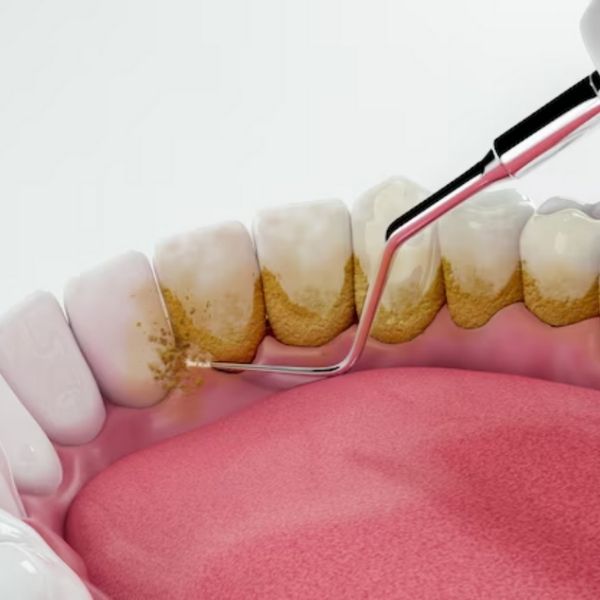
Even with excellent home care, everyone develops some plaque and tartar buildup that regular brushing and flossing cannot remove. Think of professional cleaning as a deep reset for your mouth — it's like the difference between vacuuming your carpet and having it professionally steam cleaned. Both are necessary, but professional cleaning reaches what you simply can't achieve at home.
Plaque is the sticky film of bacteria that constantly forms on your teeth. Within 24–48 hours, unremoved plaque hardens into tartar (also called calculus), a cement-like deposit that bonds to tooth enamel. Once tartar forms, only professional instruments can remove it. Left undisturbed, tartar causes gum inflammation (gingivitis), bone loss (periodontitis), cavities, bad breath, and eventual tooth loss.
The Canadian Dental Association recommends professional cleanings every six months for most patients. Those with gum disease, diabetes, smoking habits, or high cavity risk may need cleanings every three to four months to maintain healthy gums and prevent disease progression.
For patients who avoid dental appointments due to anxiety, sensitive teeth, or past negative experiences, our sedation-supported cleanings remove those barriers. You can finally receive the thorough hygiene care you need in complete comfort.
At our Ottawa dental clinic, we understand that dental hygiene appointments can trigger significant anxiety — whether from previous painful experiences, sensitive teeth, gagging reflexes, or general dental fear.
Your appointment begins with your chosen sedation option if desired. Once comfortable, the hygienist carefully examines your teeth and gums, noting areas of concern, tartar buildup, gum inflammation, or bleeding.
Using specialized hand instruments (scalers and curettes) and ultrasonic devices, the hygienist systematically removes all plaque and tartar deposits from tooth surfaces, between teeth, and along the gum line. Ultrasonic scalers use vibration and water to break up heavy tartar quickly.
For deep cleanings, the hygienist works below the gum line, removing tartar and bacteria from root surfaces and smoothing rough spots where bacteria accumulate. Local anesthetic ensures you feel no discomfort.
After all tartar is removed, teeth are polished with a gritty paste using a rotating rubber cup. This removes surface stains and creates a smooth surface that resists new plaque formation. Thorough flossing between all teeth follows. Finally, professional fluoride treatment strengthens tooth enamel and provides additional cavity protection for several months.
Note: Time Required: Standard cleaning takes 45–60 minutes. Deep cleaning takes 60–120 minutes depending on extent of disease.
Cavity Prevention: Removes bacteria and tartar that cause tooth decay; reduces cavity risk by up to 60%.
Gum Disease Prevention: Eliminates inflammation-causing tartar; prevents progression to bone loss and tooth loss.
Fresh Breath: Removes bacteria and deposits causing chronic bad breath (halitosis).
Stain Removal: Polishing restores natural tooth color diminished by coffee, tea, wine, or tobacco.
Early Problem Detection: Hygienists identify cavities, gum disease, oral cancer signs, and other concerns.
Systemic Health Protection: Reduces bacteria linked to heart disease, stroke, diabetes complications.
Cost Savings: Prevention costs far less than treating advanced gum disease or replacing lost teeth.
Confidence Boost: Clean, healthy teeth and fresh breath enhance self-esteem and social comfort.
Note: Studies show patients who maintain regular six-month cleanings retain significantly more natural teeth throughout their lifetime.
For appointments without sedation or with nitrous oxide only, you'll leave immediately with a clean, refreshed smile. Your teeth may feel exceptionally smooth and look noticeably brighter. With oral sedation, IV sedation, or general anesthesia, plan for 30–60 minutes recovery time before discharge.
Some patients experience mild gum sensitivity or tenderness for 1–2 days after cleaning, especially if significant tartar was removed. This is normal and indicates healing, healthier tissue. Your teeth may feel slightly sensitive to hot or cold for a day or two.
To maintain your results: brush twice daily for two minutes with fluoride toothpaste, floss daily between all teeth to prevent new tartar formation, use any recommended specialized products (prescription toothpaste, antimicrobial rinse), limit sugary and acidic foods that promote decay, don't smoke — tobacco significantly accelerates tartar buildup and gum disease, and maintain your six-month cleaning schedule.
Most dental insurance plans cover preventive cleanings at 80–100% twice per year. Deep cleaning is typically covered at 50–80% when medically necessary.
We provide direct billing to major insurers and accept the Canadian Dental Care Plan (CDCP).
Regular cleanings represent one of the most cost-effective investments in oral health.
Sedation fees are additional to cleaning costs. We provide a complete written estimate during your consultation.
Our patients consistently rate us 5 stars for gentle, anxiety-free care. Read verified patient experiences on Google.
View All Reviews on Google