When gum recession exposes your tooth roots, the consequences go beyond appearance — sensitive teeth, increased decay risk, and progressive tissue loss that won't reverse on its own. Gum grafting is a proven surgical procedure that covers exposed roots by transplanting healthy tissue to the recession site, eliminating sensitivity, preventing further recession, and restoring your natural gum line. At Dental Sedation Ottawa, we perform gum grafting under your choice of sedation — from nitrous oxide for mild relaxation to IV sedation or general anesthesia for patients who want to be completely unaware during surgery.
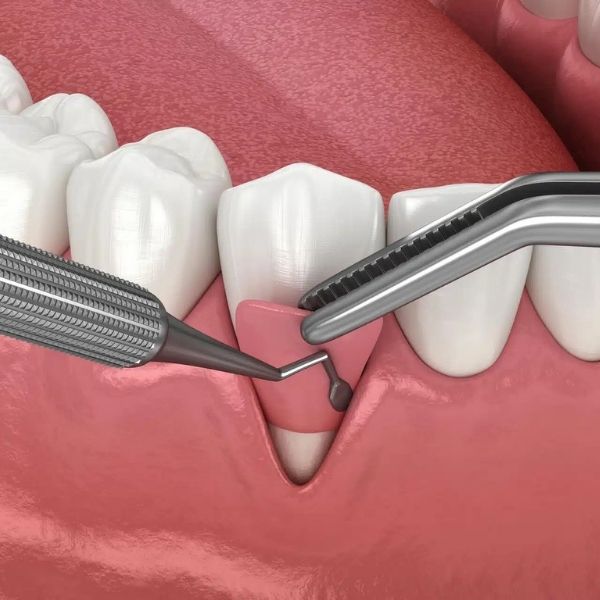
Gum grafting — also called soft tissue grafting or gingival grafting — is a periodontal surgical procedure that repairs gum recession by transplanting healthy tissue to areas where the gums have pulled away from the teeth. The procedure involves taking a small piece of tissue, most commonly from the roof of your mouth or from adjacent gum tissue, and carefully positioning it over the exposed root. The graft is secured with fine sutures and integrates with your existing tissue over the following weeks to form a permanent, natural-looking gum line.
Gum grafting addresses multiple problems simultaneously. It eliminates root sensitivity by covering the exposed dentin surface. It stops the progression of recession by creating a thicker, more resilient gum margin. It reduces the risk of root decay by removing the vulnerable surface from bacterial exposure. And it restores the aesthetic appearance of your smile — no more long teeth or visible root surfaces. The procedure typically takes one to two hours depending on the number of teeth involved and the technique used.
Our Sedation and Comfort Options
Gum recession is a gradual process where the gum tissue surrounding your teeth wears away or pulls back, exposing more of the tooth and eventually the root surface. It affects nearly half of adults over 30 to some degree. The causes are varied: aggressive brushing with a hard-bristled toothbrush actually wears away the delicate gum tissue over time. Periodontal disease destroys gum tissue and the underlying bone. Genetics play a significant role — some people are born with thinner, more fragile tissue. Teeth grinding places excessive force on teeth, gradually pushing gums away. Tobacco use restricts blood flow, making tissue more vulnerable. Misaligned teeth can concentrate force on certain areas, accelerating recession.
The warning signs include teeth that appear longer than they used to, visible root surfaces that are darker and more yellow than the enamel-covered crown, increased sensitivity to hot, cold, or sweet foods, and notching at the gum line. Left untreated, recession leads to root decay, bone loss as supporting structure deteriorates, worsening sensitivity that limits what you can eat and drink, and eventually tooth loss as the gum and bone support erodes beyond recovery. Gum recession does not reverse on its own — it only progresses without treatment.
Three Proven Graft Approaches
Your Gum Grafting Procedure Step by Step
During the first one to three days, expect the most discomfort and swelling. We prescribe appropriate pain medication, and cold compresses help minimize swelling. Stick to soft, cool foods and avoid anything crunchy, spicy, or very hot. Don't brush or floss near the surgical site. Days four through seven bring noticeable improvement — swelling subsides and discomfort decreases significantly. At the one to two week mark, sutures are removed during your follow-up appointment. The graft site will look slightly raised or a different colour, which is completely normal.
Between weeks two and four, the graft integrates with surrounding tissue and sensitivity decreases noticeably. Normal eating resumes gradually, though very hard or crunchy foods should still be avoided. By two to three months, the graft has fully matured — tissue colour and texture blend naturally with surrounding gums, root coverage is complete, and sensitivity is resolved. Your restored gum line is yours to keep with proper maintenance.
Gum grafting succeeds because it addresses the fundamental problem of recession — lost tissue — by replacing it with living tissue that integrates permanently with your existing gums. The transplanted tissue, rich with blood vessels and connective fibres, forms new vascular connections within the first few days after surgery. Over the following weeks, these connections strengthen as the graft tissue remodels and matures into a seamless extension of your natural gum line.
The result is a thicker, more resilient band of attached gum tissue that seals over the previously exposed root surface, creating a protective barrier against bacteria, temperature sensitivity, and mechanical damage. Research shows that gum grafts have a very high success rate — when performed by an experienced periodontist and followed with proper home care, grafted tissue typically lasts a lifetime. The key to long-term success is addressing the original cause of the recession, whether that means modifying brushing technique, treating underlying gum disease, wearing a night guard, or quitting tobacco.
The single most important change for many patients is brushing technique — switch to a soft-bristled brush and use gentle, circular motions rather than aggressive back-and-forth scrubbing. An electric toothbrush with a pressure sensor can be helpful for patients who tend to brush too hard. Maintain excellent oral hygiene to prevent gum disease: brush twice daily, floss daily, and use an antimicrobial rinse if recommended. Keep your regular cleaning appointments every six months, or every three to four months if you have a history of periodontal disease.
If teeth grinding contributed to your recession, wearing a custom night guard is essential — without it, the same forces that caused the original recession will stress the grafted tissue over time. If smoking was a factor, quitting is the single most impactful thing you can do for graft longevity. We monitor your grafted areas at every check-up, measuring tissue thickness and attachment levels to catch any early signs of change. With proper care, gum grafts provide a permanent solution — most patients never need a repeat procedure in the same area.
Our patients consistently rate us 5 stars for gentle, anxiety-free care. Read verified patient experiences on Google.
View All Reviews on GoogleWhy Patients Choose Dental Sedation Ottawa