When your child's front baby teeth are damaged by severe decay, trauma, or developmental defects, esthetic strip crowns offer a beautiful solution that looks completely natural. Unlike silver stainless steel crowns used on back teeth, these tooth-colored crowns restore both function and appearance—giving your child back their confident smile. At Dental Sedation Ottawa, we specialize in placing esthetic strip crowns using comprehensive sedation options—from mild relaxation to complete sleep—ensuring your child receives this aesthetic restoration in complete comfort without fear or anxiety.
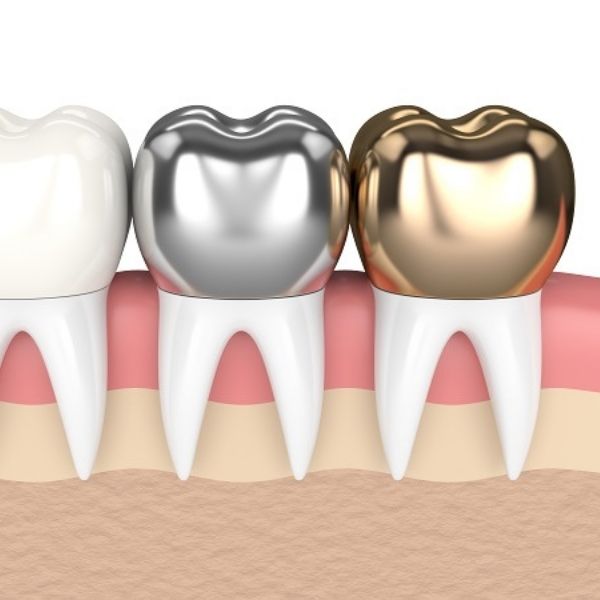
Esthetic strip crowns (also called composite strip crowns, resin strip crowns, or pedo jackets) are pre-formed tooth-shaped shells made of clear celluloid or plastic that serve as molds for creating natural-looking crowns on children's front baby teeth. The process involves filling these temporary shells with tooth-colored composite resin material, placing them over prepared teeth, curing (hardening) the resin with a special light, then removing the shells to leave behind beautiful, natural-looking crowns.
Think of it like using a cake mold—the strip crown is the mold that shapes the composite resin into a perfect tooth form. Once the resin hardens, we remove the mold, revealing a crown that matches your child's natural tooth color and looks just like a healthy tooth.
These crowns are specifically designed for front baby teeth (incisors and sometimes canines) where appearance matters significantly. While stainless steel crowns work wonderfully for back baby teeth where strength and durability are priorities, they're highly visible and aesthetically unacceptable for front teeth. Esthetic strip crowns provide the strength of a full-coverage restoration with the natural appearance parents and children prefer.
The materials used have evolved significantly over the years. Modern composite resins are highly durable, resist staining well, and can withstand the biting and chewing forces of normal childhood activities. With proper care, these crowns last until the baby tooth naturally falls out—typically between ages 6-8 for front teeth.
Ready to learn more? Schedule a consultation today.
At Dental Sedation Ottawa, we understand that extensive dental work on front teeth can feel overwhelming for both children and parents. Front teeth are visible, sensitive, and psychologically important—children often feel self-conscious about damaged front teeth. That's why we prioritize comfortable, anxiety-free crown placement through comprehensive sedation options.
Mild relaxation for cooperative children ages 4+ with minimal anxiety. Your child stays awake, breathing through a comfortable nose mask, and feels calm and sometimes giggly. Perfect for single crown placement in children who handle dental visits well. Learn more about nitrous oxide
Medication taken about an hour before the appointment creates drowsiness and significantly reduces anxiety. Excellent for moderately nervous children or when placing crowns on multiple front teeth. Your child remains responsive but deeply relaxed and often won't remember the procedure. Explore oral sedation
Deeper sedation administered through a tiny IV line provides continuous comfort throughout treatment, with constant team monitoring. Ideal for high anxiety, very young children (under age 4), or when multiple crowns plus other treatments need completion. Discover IV sedation
Complete, peaceful sleep with zero awareness or memory. Administered by board-certified medical anesthesiologists (Dr. Hesham Talab, MD MSc PhD FRCPC FASE and Dr. Asad Mirghassemi, MD MSc FRCPC). Best for severe dental anxiety, special needs patients, very young children, or extensive treatment needs including multiple crowns. Hospital-grade safety right in our clinic. Learn about general anesthesia
With appropriate sedation, especially IV sedation or general anesthesia, we can place multiple esthetic strip crowns along with any other needed treatments—fillings, pulpotomies, extractions, cleanings—all in a single comfortable appointment. This means one visit instead of four or five, one recovery period, and dramatically less overall stress and anxiety for your child and family.
Questions about your options? We're here to help.
Dentists recommend esthetic strip crowns for front baby teeth when the damage is too extensive for regular fillings to restore function and appearance effectively, but the tooth is still worth saving.
Prolonged exposure to sugary liquids (milk, juice, formula) causes rapid, extensive decay of front baby teeth. These teeth often appear brown or black, have multiple cavities on several surfaces, or are broken down to the gum line. Crowns restore the entire tooth structure.
Falls, accidents, or injuries that fracture or chip front baby teeth significantly. When more than one-third of the tooth is broken off, crowns typically work better than fillings for restoring shape and protecting remaining tooth structure.
Some children are born with weak, soft, or poorly formed enamel on their baby teeth. These teeth break down rapidly and are extremely vulnerable to decay. Crowns protect the defective enamel and restore normal appearance and function.
When decay reaches the nerve of a front baby tooth, we perform nerve treatment (pulpotomy or pulpectomy) to eliminate infection and save the tooth. After nerve treatment, the tooth becomes more brittle and requires a crown for protection and structural support.
If previous fillings on front teeth repeatedly break, leak, or develop new decay around their edges, crowns provide more reliable long-term protection by covering the entire tooth.
When cavities affect three or more surfaces of a front tooth (front, back, and sides), there often isn't enough healthy tooth structure remaining to support large fillings. Crowns encompass all surfaces in one restoration.
When Other Options Work Better: Small cavities affecting only one surface can typically be fixed with regular fillings. Teeth damaged beyond repair (less than 2-3mm of tooth structure remaining above the gum line) need extraction rather than crowns. Minor chips or rough edges can sometimes be smoothed and polished. Slight discoloration without structural damage might not require treatment.
Your dentist assesses the extent of damage using visual examination and X-rays, then recommends the most appropriate treatment to restore your child's smile.
Ready to take the next step? Our team is here for you.
Before the crown placement appointment, we examine your child's teeth thoroughly, take X-rays to assess the extent of decay and nerve health, discuss sedation options based on anxiety level and treatment scope, and choose crown colors that match your child's natural teeth.
On treatment day, we begin by administering your chosen sedation option. Once your child is comfortable and relaxed (or peacefully asleep with general anesthesia), we ensure complete numbness of the treatment area. Throughout the procedure, our team continuously monitors your child for safety.
First, we perform any necessary nerve treatment (pulpotomy or pulpectomy) if decay has reached the tooth's pulp. This eliminates infection and pain. Then we remove all decayed and damaged tooth structure, cleaning the tooth thoroughly. We shape the remaining tooth structure—reducing its size slightly on all surfaces—to create space for the crown while preserving as much healthy tooth structure as possible.
Next, we select the appropriate size strip crown (they come in various sizes for different tooth shapes and sizes) and fill it with tooth-colored composite resin material. The composite comes in multiple shades, allowing us to match your child's natural tooth color. We carefully position the filled strip crown over the prepared tooth, ensuring proper fit and proper bite alignment.
Using a special curing light, we harden the composite resin inside the strip crown for 20-40 seconds. This solidifies the material into its final, durable form. Once hardened, we carefully peel away and remove the clear celluloid strip crown shell, revealing the beautifully shaped natural-looking crown underneath.
We then refine the crown by trimming excess material at the gum line, smoothing all edges, adjusting the bite to ensure comfort, and polishing the surface to a natural-looking shine. The dentist checks that the crown looks natural, functions properly, and doesn't interfere with your child's bite.
Time Required: Single esthetic strip crown placement takes 30-45 minutes including tooth preparation, nerve treatment if needed, crown placement, and finishing. Multiple crowns add approximately 20-30 minutes per additional tooth. When combined with other dental procedures under sedation, total appointment time extends accordingly.
Ready to learn more? Schedule a consultation to discuss your options.
Wait for numbness to completely wear off (2-4 hours) before allowing your child to eat. Start with soft, cool foods initially, then gradually return to normal diet as comfort allows. Some mild gum soreness around the crowned teeth is normal for 1-2 days—children's ibuprofen helps if needed.
The crowns might feel slightly different or larger at first, but children adapt quickly—usually within 2-3 days they forget the crowns are even there. Speech might sound slightly different initially, but this resolves within 24-48 hours as your child adjusts.
Esthetic strip crowns require the same care as natural teeth: brush twice daily with fluoride toothpaste, including the crowned teeth. Floss daily between all teeth, including crowned teeth. Regular dental checkups every 6 months to monitor crown condition and overall oral health. Fluoride treatments at dental visits to protect all teeth.
While esthetic strip crowns are quite durable, they're not as strong as stainless steel crowns. To maximize their longevity: avoid chewing ice, hard candies, or very hard foods with front teeth. Minimize extremely sticky foods (caramel, taffy, gummy candies) that could pull on crowns. Supervise young children with hard foods like raw carrots or apples—cut them into small pieces. Discourage habits like nail biting, pencil chewing, or opening packages with teeth. Use mouthguards during contact sports to protect crowned teeth from trauma.
Esthetic strip crowns typically last until the baby tooth naturally falls out, usually between ages 6-8 for front teeth. The crown falls out attached to the tooth root—exactly like un-crowned baby teeth. The permanent tooth underneath erupts normally, unaffected by the crown above it.
Some slight wear or edge chipping may occur over years of use, but this rarely requires repair unless it affects function or appearance significantly. Minor surface staining can occur with very dark foods/beverages, though this is uncommon with modern resin materials.
Call us at (613) 482-0501 if: Crown becomes loose or falls off (rare, but possible with trauma), persistent pain lasting more than a few days after placement, swelling or abscess develops near a crowned tooth, crown edges irritate lips or tongue, or significant chips or breaks occur.
Have questions? We'd love to hear from you.
Esthetic strip crowns typically cost starting at $300-450 per tooth, slightly more than stainless steel crowns due to the additional time and technique required. If nerve treatment (pulpotomy or pulpectomy) is needed first, add $150-300 per tooth. Sedation fees vary by type chosen.
When multiple front teeth require crowns (common with early childhood caries), total treatment costs for 4 front teeth range $1,800-3,000 including crowns, nerve treatment if needed, and sedation.
Most pediatric dental insurance plans cover esthetic strip crowns at 50-80% when medically necessary to restore function and prevent further damage. Some plans specify coverage for stainless steel crowns only, requiring families to pay the cost difference for esthetic crowns (typically $50-150 per tooth). We help families understand their specific coverage and options.
We provide direct billing to major insurance carriers and accept the Canadian Dental Care Plan (CDCP). Our team reviews your insurance coverage and direct billing during consultation.
When you consider the alternatives—extraction of front baby teeth leading to space loss, speech problems, and years without front teeth (affecting eating, appearance, and self-esteem)—esthetic strip crowns represent excellent investment in your child's functional and psychological well-being.
Our patients consistently rate us 5 stars for gentle, anxiety-free care. Read verified patient experiences on Google.
View All Reviews on GoogleDentist Referrals Welcome: We collaborate with referring dentists throughout Ottawa and Eastern Ontario for pediatric sedation cases and esthetic crown procedures. Learn more about our referral process
We welcome patients from throughout Ottawa including Kanata, Nepean, Orléans, Stittsville, Manotick, and Greely, as well as Eastern Ontario communities (Rockland, Embrun, Russell, Winchester, Kemptville, Carleton Place, Arnprior, Renfrew, Pembroke, Cornwall, Hawkesbury) and West Quebec (Gatineau, Aylmer, Hull, Chelsea, Wakefield, Buckingham).
